
 Ask Me !!

Non-Repudiation in Cryptography
Definition of Non-Repudiation
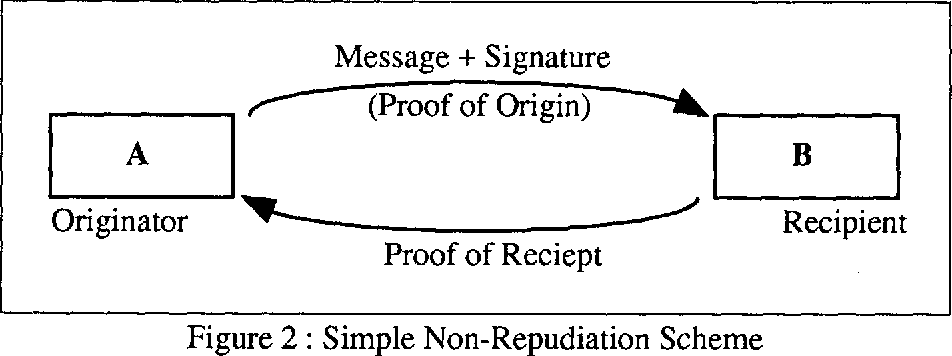
Non-repudiation in cryptography ensures that a sender cannot deny the authenticity of their message or data. It provides proof of origin, preventing parties from falsely claiming they did not send or receive certain data.
Methods to Achieve Non-Repudiation
Non-repudiation is achieved primarily through mechanisms that verify the origin and authenticity of a message or action:
- Digital Signatures: Digital signatures use asymmetric encryption to bind a document or message to the sender’s identity. The sender signs data using their private key, and the recipient verifies it with the sender’s public key, creating a verifiable proof of origin.
- Public Key Infrastructure (PKI): PKI provides a framework for managing public keys and digital certificates, which verify user identities and bind digital signatures to the individual or entity, supporting non-repudiation.
- Audit Logs: Logs track actions and events, offering evidence that can verify actions taken by specific individuals, which is critical for non-repudiation in applications requiring accountability.
Role of Digital Signatures in Non-Repudiation
Digital signatures play a central role in non-repudiation as they establish a link between a sender and the data:
- Verification of Origin: The recipient can verify that the data was sent by the claimed sender, making it impossible for the sender to deny their involvement.
- Integrity and Authenticity: Digital signatures also verify the integrity of the data, ensuring that the data has not been altered since it was signed.
Non-Repudiation in Communication Protocols
Non-repudiation is vital in secure communication protocols, ensuring that actions taken online are verifiable:
- Email Security: Protocols such as S/MIME and PGP use digital signatures to ensure that senders cannot deny sending a message, which is crucial for sensitive communications.
- Online Transactions: E-commerce and banking rely on digital signatures and secure channels (like TLS) to provide proof of transaction and prevent repudiation.
- Blockchain: Blockchain technology ensures non-repudiation by using cryptographic signatures to confirm transactions, providing transparent proof of ownership and transactions.
Key Management and Non-Repudiation
Effective key management is critical for non-repudiation, especially in systems using digital signatures:
- Secure Key Storage: Ensures that private keys used for signing are kept secure and accessible only to the legitimate owner, preventing fraudulent signing.
- Certificate Authorities (CAs): CAs issue and manage digital certificates, binding identities to public keys, which aids in non-repudiation by validating the authenticity of public keys.
Non-Repudiation vs. Other Cryptographic Principles
Non-repudiation complements other cryptographic principles to provide a robust security framework:
- Confidentiality: Ensures data privacy, while non-repudiation ensures that users cannot deny sending or receiving that data.
- Integrity: Verifies that data has not been altered, while non-repudiation provides proof of the data’s origin and authorship.
- Authenticity: Confirms identity, while non-repudiation ensures users cannot dispute their actions or messages.
Challenges to Non-Repudiation
There are several challenges to implementing non-repudiation effectively:
- Key Compromise: If a private key is compromised, someone could falsely create signatures, leading to disputes about authorship. Secure key storage and management mitigate this risk.
- Denial of Service (DoS) Attacks: Such attacks could disrupt verification services, preventing users from confirming authenticity. Redundant systems and robust infrastructure help protect against this.
- Legal and Regulatory Compliance: Ensuring non-repudiation often requires compliance with legal standards, which may vary by country and industry.
Applications of Non-Repudiation
Non-repudiation is essential in various domains to maintain accountability and trust:
- E-commerce and Online Banking: Digital signatures ensure that users cannot deny authorizing transactions, protecting against fraudulent claims.
- Document Management Systems: Digital signatures provide proof of authorship and prevent document tampering in business and legal environments.
- Digital Contracts: Non-repudiation is crucial for electronic contracts, ensuring parties cannot deny their signatures or participation.
Future Considerations
As technology evolves, non-repudiation must adapt to new challenges:
- Quantum Computing: Quantum-resistant algorithms may be necessary to protect digital signatures against quantum-based attacks.
- Blockchain and Smart Contracts: These technologies enable secure, tamper-resistant systems for maintaining non-repudiable records.