
 Ask Me !!

Integrity in Cryptography
Definition of Integrity
Integrity in cryptography ensures that data remains accurate, consistent, and unaltered during transmission or storage. It provides assurance that information has not been tampered with, whether accidentally or intentionally, preserving the trustworthiness of the data.
Methods to Achieve Integrity
Cryptographic integrity is commonly achieved through methods that detect alterations to data:
- Hash Functions: Hash functions generate a unique fixed-size output, known as a hash, from data input. Any modification to the data produces a different hash, enabling the detection of changes. Popular hash functions include SHA-256 and MD5.
- Message Authentication Codes (MACs): MACs combine a secret key with a hash function to create a code unique to both the data and the key. Only users with the correct key can verify the data’s integrity, ensuring both data validity and authenticity.
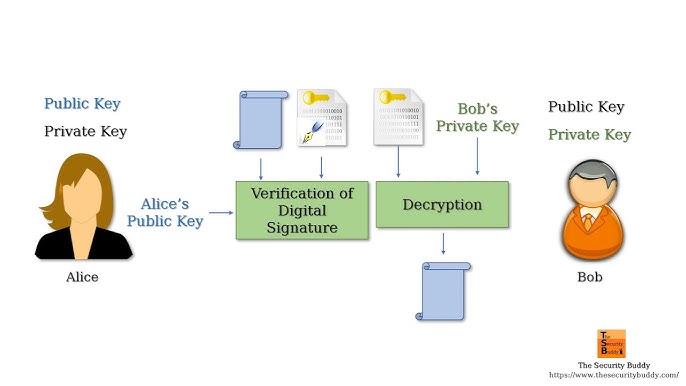
- Digital Signatures: Digital signatures provide both integrity and authenticity by encrypting hash values with a sender’s private key. The recipient can verify the integrity of the data using the sender’s public key.
Role of Hash Functions and MACs
Hash functions and MACs are essential tools for maintaining integrity in cryptographic applications:
- Hash Functions: Widely used to verify data integrity, especially for files, databases, and messages. Changes in data, even a single bit, produce an entirely different hash value.
- MACs: Useful in scenarios where both integrity and authenticity are needed, such as in network communication and secure file transfers.
Integrity in Communication Protocols
Integrity is a vital component of secure communication protocols to detect and prevent data tampering during transmission:
- Transport Layer Security (TLS): Provides data integrity for secure connections over the internet by using MACs and hash functions within encrypted sessions.
- IPsec (Internet Protocol Security): Ensures integrity for data at the IP level in VPNs, allowing secure and authenticated data transfer over public networks.
- Blockchain: Uses hash functions to link blocks of data in a chain, making it virtually impossible to alter data without detection.
Key Management and Integrity
Effective key management practices are crucial for maintaining integrity:
- Key Integrity: Protecting cryptographic keys from unauthorized access and tampering ensures that they can be trusted to maintain data integrity.
- Key Revocation and Expiration: Timely revocation and expiration of keys reduce the risk of compromised keys being used for data tampering.
Integrity vs. Other Cryptographic Principles
Integrity works alongside confidentiality and authenticity to secure information:
- Confidentiality: Ensures data is kept private and inaccessible to unauthorized users. Integrity complements this by verifying that the private data remains unchanged.
- Authenticity: Confirms the identity of parties in communication. Integrity ensures the accuracy of the transmitted or stored data.
Challenges to Integrity
Various attacks aim to compromise data integrity:
- Man-in-the-Middle (MITM) Attacks: Attackers intercept and modify data between two parties. Integrity measures detect and prevent such modifications.
- Replay Attacks: Re-sending previously captured data to gain unauthorized access. Time-stamping and unique session identifiers mitigate this risk.
- Modification Attacks: Direct alterations to stored data. Strong hash functions and digital signatures can detect these unauthorized changes.
Applications of Integrity
Data integrity is essential in many fields and applications:
- Data Storage and Backups: Ensures that stored information remains accurate and unaltered, even over long periods.
- Financial Transactions: Guarantees that transaction details cannot be altered after initiation.
- Digital Communications: Email, messaging, and online communication platforms use integrity checks to verify message accuracy.
Future Considerations
With emerging technologies, integrity measures must evolve to remain effective:
- Quantum Computing: As quantum computing progresses, stronger algorithms and quantum-resistant cryptographic hash functions will be necessary.
- Blockchain and Distributed Ledger Technology: These technologies leverage data integrity principles to enable secure, tamper-resistant systems.